History, Nature and Heritage
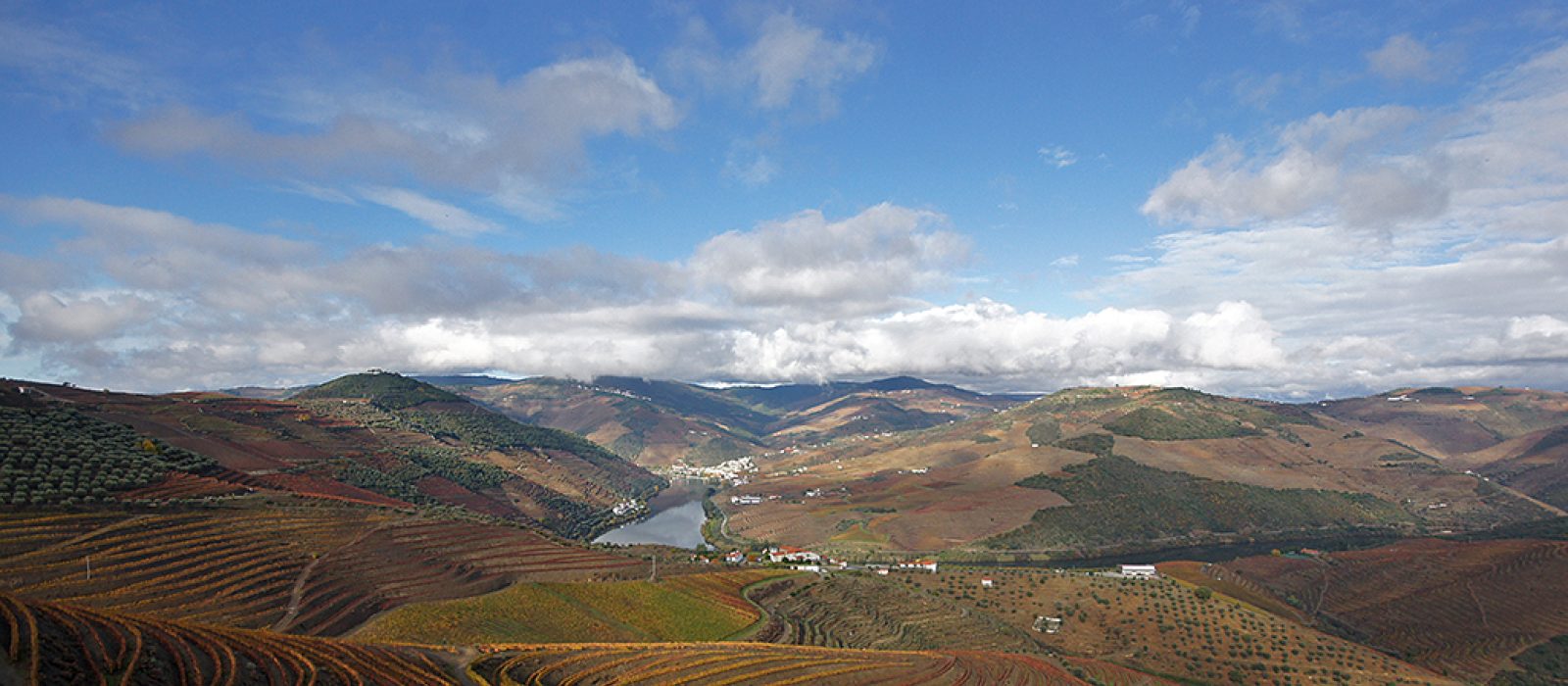
Discover the soul of the São Mamede de Ribatua Walkways and the Tua Valley — a land where the Trás-os-Montes hills embrace the Douro wine country.
São Mamede de Ribatua
São Mamede de Ribatua is a village with very ancient roots, situated in the south-east of the municipality of Alijó, in the heart of the Trás-os-Montes Upper Douro. Its very name refers to Saint Mamede, a martyr venerated since the earliest centuries of Christianity, a sign of the long human presence in this territory. Throughout the Middle Ages, the settlement held a charter and was even the seat of its own municipality, retaining administrative autonomy for several centuries until the liberal reforms of the nineteenth century, when it was incorporated into the municipality of Alijó. From this centuries-old heritage there remain the parish church, ancient fountains, a pillory and traces of a rural fabric shaped by the vine, the olive grove and the orange, products that still identify the parish today.
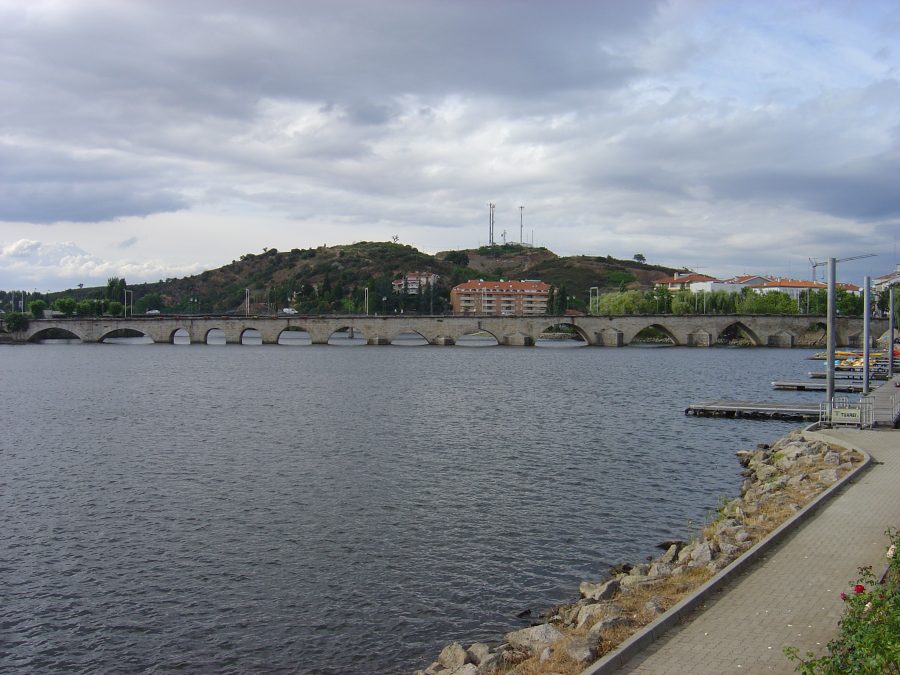
One of the village's most emblematic landmarks is the Roman bridge of São Mamede de Ribatua, built of well-dressed granite ashlar and part of an old road axis that linked the settlements of the valley. The bridge crosses the stream that gives the locality its name and is today the natural starting point for anyone seeking to discover the surrounding landscape, uniting the built heritage with the wild nature of the enclosed valley.
In March 2026 the village gained a new draw with the official inauguration of the São Mamede de Ribatua Riverside Walkways, a nature-tourism structure that quickly became an icon of the region. Around 3.5 kilometres long, the trail runs along the stream, between the Roman bridge and the Tua reservoir, revealing waterfalls, pools of crystal-clear water and imposing rock formations. The trail begins beside the Jardim das Laranjeiras (Orange Tree Garden), a landscaped space at the entrance to the village, just after crossing the Roman bridge, which serves as a welcome area, car park and meeting point for visitors.
At the heart of the Tua Valley Nature Park
The São Mamede de Ribatua Riverside Walkways are located in the municipality of Alijó, in the district of Vila Real, within the Tua Valley Regional Nature Park. This protected area covers around 25,000 hectares in the final stretch of the River Tua and extends across five municipalities — Alijó, Murça, Vila Flor, Carrazeda de Ansiães and Mirandela — forming the transition between the highlands of Trás-os-Montes and the wine-growing landscape of the Douro. It is a territory of contrasts, where deep valleys and steep slopes meet gently rolling plateaus and quartzite ridges that dominate the horizon.
The São Mamede stream is a tributary that descends from the lands of Alijó towards the River Tua, carving out a narrow, shady valley of great beauty. A few kilometres away, the Tua flows into the River Douro, in the heart of the Demarcated Douro Region, the oldest regulated wine region in the world and a UNESCO World Heritage Site. This privileged location makes São Mamede de Ribatua a meeting point between two worlds: the rugged Trás-os-Montes uplands and the exuberance of the Douro wine-growing terraces, giving the region a remarkable diversity of landscape, nature and culture.

Wildlife
The Tua Valley is one of the territories richest in biodiversity in north-eastern Portugal, the result of the combination of enclosed valleys, rocky cliffs, Mediterranean scrub and riverside galleries along the water. This variety of habitats supports an abundant and diverse fauna, with hundreds of recorded species, among invertebrates, fish, amphibians, reptiles, birds and mammals. The valley's cliffs are especially important for cliff-nesting birds, in a setting often compared to a small Iberian 'Grand Canyon'.
In the skies of the valley you can observe large birds of prey such as the golden eagle, the griffon vulture and the black kite, as well as the rare and discreet black stork, which nests on isolated cliffs. Beside the stream and in the scrubland smaller birds abound, such as the grey wagtail, which hunts over the wet stones, and the nightingale, whose song enlivens the vegetation galleries in spring. Among the mammals, the otter stands out as an indicator of good water quality, alongside the wild boar, the fox and the elusive genet, which roam the slopes at dusk.
The cool waters of the stream and the Tua reservoir are home to native river fish such as the barbel and the boga, important for the balance of the river ecosystems. The dry-stone walls, the rocky outcrops and the damp banks provide shelter for reptiles and amphibians, such as small lizards, ocellated lizards, grass snakes, frogs, toads and salamanders, which complete this web of life intimately tied to the water and the landscape.
Flora
The vegetation of the Tua Valley reflects the region's transitional climate, marked by hot, dry summers and cold winters, which translates into a rich flora combining Mediterranean and riverside elements. Beside the stream a dense riverside gallery develops, a green corridor that follows the watercourse and creates cool, shady microenvironments along the walkways. On the sunnier slopes Mediterranean scrub and woods of cork oak and holm oak predominate, while the higher, damper areas give way to oak woods.
On the banks of the stream grow alders, willows and ash trees, water-loving trees that stabilise the banks and sustain much of the valley's fauna. On the dry slopes cork oaks, holm oaks and strawberry trees thrive, accompanied by an understorey of gum cistus, heathers and brooms, which scent the air and cover the slopes with white, pink and yellow flowers through the seasons. This mixture of species gives the valley a palette of colours and aromas that changes as the year goes by.
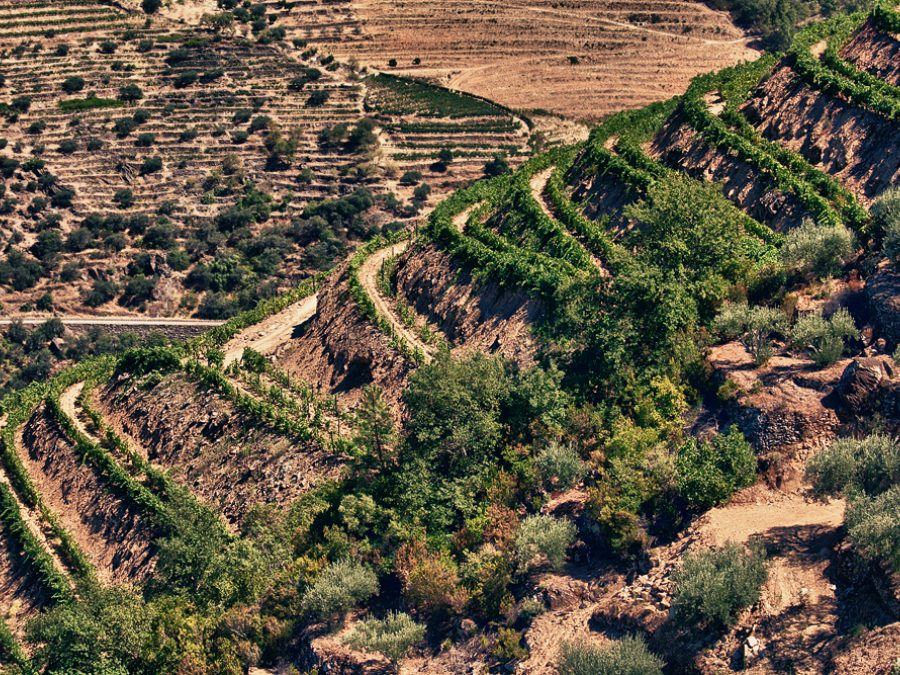
The mark of the human hand is also present in the plant landscape, above all in the terraces that descend towards the Douro. There vines on terraces, olive trees and almond trees predominate, blanketing the slopes with blossom in spring. This traditional mountain agriculture, supported by schist walls, blends harmoniously with the natural vegetation, creating a unique landscape mosaic that combines nature and culture.
Geology
The landscape of the Tua Valley rests on a geological substrate dominated by the schists and granites that characterise much of the Douro and Trás-os-Montes region. These very ancient rocks were deeply sculpted over millions of years by the erosive action of watercourses, giving rise to narrow, enclosed valleys with steep sides and rocky outcrops that rise almost vertically above the stream. In several areas resistant quartzite ridges also appear, standing out in the relief and giving the landscape its rugged and imposing profile.
The São Mamede stream, as it cut into this hard substrate, created a remarkable set of river formations that bring the walkways to life: waterfalls where the water leaps between rock ledges, pools and natural pools carved out over time, and gorges of great drama. On the slopes, people adapted to this difficult geology by building terraces supported by stone walls, mostly of schist, which turned steep slopes into cultivable land. This relationship between rock, water and human labour is one of the most striking hallmarks of the Douro landscape.
Heritage
The heritage of São Mamede de Ribatua reflects centuries of human occupation and ingenuity. The most emblematic monument is the Roman bridge, built of granite ashlar and part of an old road layout that linked the settlements of the valley, a testament to the historical importance of this crossing over the stream. Along the watercourse there also survive traces of water mills, which for generations harnessed the force of the current to grind the local people's grain, and which today tell the story of a rural economy tied to the rhythm of the waters. To these are added the parish church, chapels, fountains and a pillory, which make up the historic core of the village.
The region's greatest heritage treasure, however, is the built landscape of the wine-growing terraces. The terraces of the Upper Douro, shaped in schist walls over centuries of labour, form part of the Demarcated Douro Region, classified by UNESCO as a World Heritage Site in the category of a cultural, evolving and living landscape. This recognition celebrates the harmonious way in which communities transformed an arduous territory into one of the most beautiful and recognisable wine-growing landscapes in the world, where nature and human intervention merge into a single centuries-old work.
Did you know
The São Mamede de Ribatua Riverside Walkways were officially inaugurated in March 2026 and quickly became one of the most sought-after points of interest in the municipality of Alijó.
The trail is around 3.5 kilometres long and links the village's Roman bridge to the Tua reservoir, revealing waterfalls, pools of crystal-clear water and dramatic cliffs.
The places available for the inaugural walk sold out within a few days, a sign of the enormous Portuguese appetite for outdoor experiences.
São Mamede de Ribatua was once the seat of a municipality, with its own charter, retaining administrative autonomy until the liberal reforms of the nineteenth century.
The Ribatua orange is one of the parish's most renowned products, alongside wine, olive oil and cork — it is no coincidence that the trail begins beside the Jardim das Laranjeiras (Orange Tree Garden).
The Tua Valley Regional Nature Park covers around 25,000 hectares and five municipalities, bridging the Trás-os-Montes mountains and the wine-growing landscape of the Douro.
The valley's cliffs are home to some of the country's most important populations of cliff-nesting birds, such as the griffon vulture and the golden eagle, in a setting sometimes compared to a small Iberian 'Grand Canyon'.
The valley flows into the River Douro, in the heart of the oldest regulated wine region in the world, classified as a World Heritage Site by UNESCO.